

AI Translation Solution for Manufacturing: Bridging the Global Factory Communication Gap

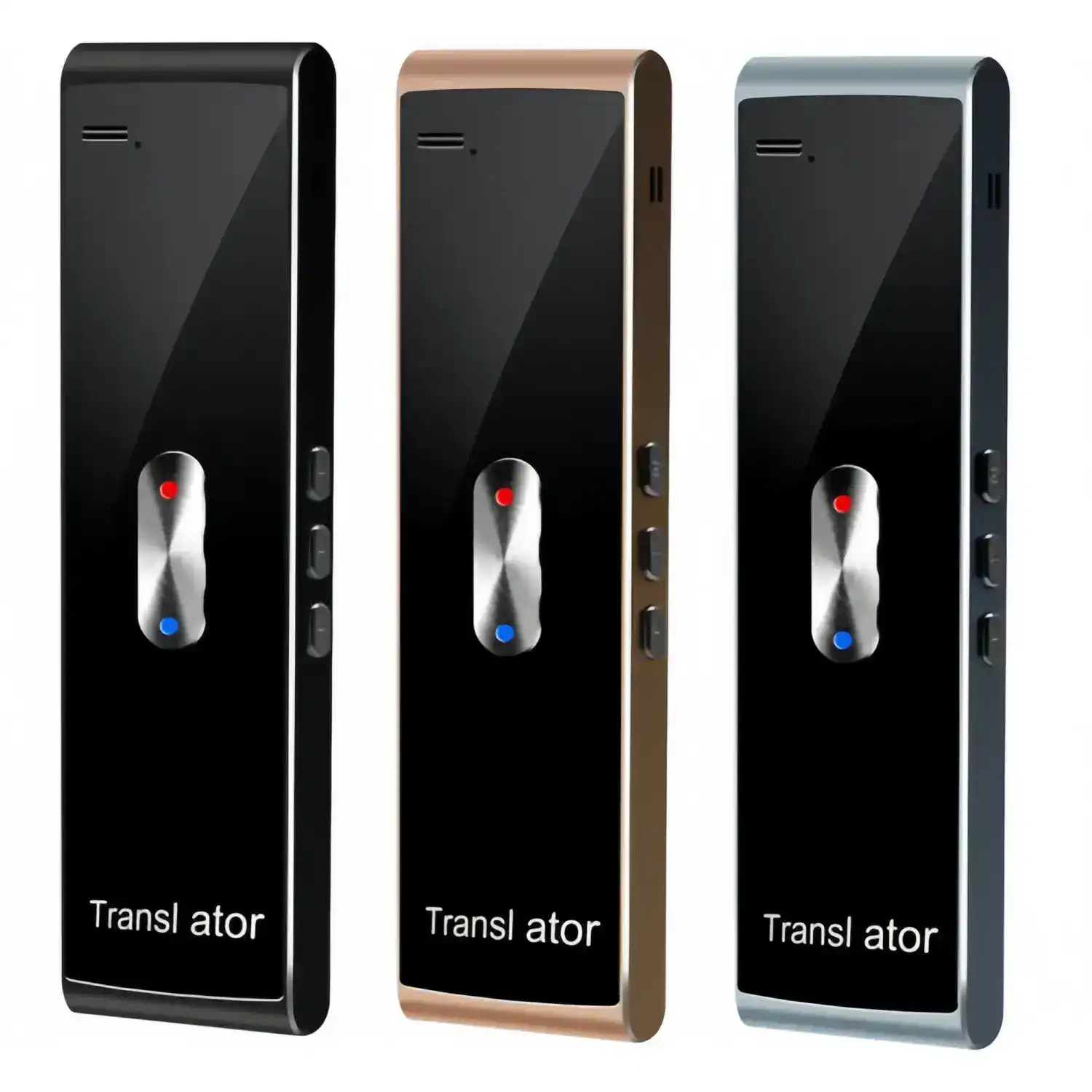
The modern manufacturing landscape is no longer confined by borders. A Tier 1 automotive supplier in Mexico might use German-engineered CNC machines while managed by a technical team from South Korea. In this high-stakes environment, a simple mistranslation of a Standard Operating Procedure (SOP) or a safety warning doesn’t just cause a delay—it risks catastrophic equipment failure and personnel injury.
Implementing a dedicated AI translation solution for manufacturing has evolved from a “nice-to-have” digital tool into a critical component of Industrial IoT (IIoT) and lean manufacturing strategie

The Evolution of Translation in Industrial Environments
Traditionally, factories relied on bilingual floor managers or static, printed manuals. These methods are inherently “lossy.” Technical nuances in mechanical engineering or chemical processing often disappear when passed through a general-purpose translator.
Modern AI translation solutions utilize Neural Machine Translation (NMT) specialized for industry-specific datasets. Unlike consumer-grade apps, these systems are trained on technical lexicons involving ISO standards, metallurgy, electronics, and logistics. They don’t just translate words; they translate technical intent.
Why Generic Translation Apps Fail on the Factory Floor
Most consumer translation software requires a stable internet connection and a quiet environment. The factory floor is neither. Engineers and plant managers face three primary hurdles:
- Acoustic Interference: High-decibel environments (85dB+) render standard smartphone microphones useless.
- Proprietary Terminology: General AI might confuse “bus” (transportation) with “bus” (electrical data communication).
- Connectivity Dead Zones: Large steel-frame facilities often have “shadow zones” where Wi-Fi and 5G signals drop, making cloud-based translation impossible.
To address these, specialized AI translation hardware integrates high-gain microphone arrays and local, offline AI engines that process data at the “edge” without needing a constant server ping.
Key Applications of AI Translation Solutions in Manufacturing
1. Real-Time Maintenance and Troubleshooting
When a production line stops, every minute of downtime can cost thousands of dollars. If the specialized technician is at the headquarters in Osaka and the local maintenance crew is in Poland, communication must be instantaneous. AI-powered tablets or handheld translators allow for real-time dialogue, ensuring that complex instructions regarding tolerances or electrical schematics are understood perfectly.
2. Accelerating Onboarding and Training
Manufacturing is currently facing a global labor shortage. Facilities often hire migrant workers or international contractors who may not be fluent in the local language. AI translation solutions allow for the instant localized delivery of:
- Safety induction videos and quizzes.
- Machine-side training modules.
- Work instructions (WI) displayed on rugged tablets.
3. Enhancing EHS (Environment, Health, and Safety) Compliance
Compliance with OSHA (US), EU-OSHA (Europe), or local equivalents requires that all workers understand safety protocols. In a multilingual facility, an AI translation solution ensures that safety briefings and emergency procedures are accessible to every employee in their native tongue, significantly reducing the risk of workplace accidents and legal liability.

Technical Comparison: Software-Only vs. Industrial Hardware Solutions
| Feature | Consumer Translation Apps | Industrial AI Translation Solution |
| Microphone Tech | Single/Dual Omni-directional | Multi-array with Active Noise Cancellation (ANC) |
| Data Privacy | Cloud-stored (Public) | On-device or Private Cloud (Secure) |
| Durability | Fragile (Gorilla Glass only) | MIL-STD-810G / IP65+ Water & Dust Proof |
| Offline Capability | Limited / Basic | Full Offline Technical Dictionaries |
| Battery Life | 4–6 hours active | 12+ hours with swappable batteries |
Integrating AI Translation into Your Workflow
For an AI translation solution to be effective, it must integrate into the existing manufacturing execution system (MES) or workflow.
Step 1: Terminology Customization
Engineers should upload their specific Glossaries of Terms. This ensures the AI recognizes “extrusion,” “injection molding,” or “tolerance” within the specific context of the company’s products.
Step 2: Deployment of Rugged End-Points
Standard tablets fail in dusty or humid factory settings. Deploying industrial-grade translation hardware ensures that the hardware survives the environment. These devices often feature physical buttons for “push-to-talk” functions, which are easier to use while wearing industrial gloves.
Step 3: Continuous Learning Loops
Advanced AI solutions allow users to correct a translation on the fly. These corrections are fed back into the private LLM (Large Language Model), ensuring that the system becomes more accurate to the specific plant’s “slang” and technical jargon over time.
The Role of Edge Computing in Translation
Security is a major concern for OEMs. Passing sensitive design data through a public cloud translator can lead to Intellectual Property (IP) leaks. Modern AI translation solutions for manufacturing utilize “Edge AI.” By processing the translation locally on the device, the data never leaves the facility, ensuring that proprietary manufacturing processes remain confidential while still benefiting from high-speed AI processing.
Conclusion: The ROI of Clear Communication
Investing in an AI translation solution is not just about language; it is about operational efficiency. By reducing the “Communication Tax”—the time and money lost to misunderstandings—manufacturers can achieve faster cycle times, lower scrap rates, and a safer, more inclusive workplace.
As global supply chains become more complex, the ability to communicate technical specifications across languages instantly is becoming a defining competitive advantage for 21st-century factories.

FAQ: AI Translation in Manufacturing
Q1: Can AI translation handle highly specific technical jargon?
Yes, but general-purpose tools often fail. Industrial-grade AI translation solutions allow for the integration of custom dictionaries and are trained on technical datasets (such as mechanical engineering or chemical processing) to ensure high accuracy with industry-specific terminology.
Q2: Does the factory need high-speed Wi-Fi for these devices to work?
No. Many professional AI translation hardware solutions feature offline translation engines. These allow for real-time voice and text translation in remote areas or “dead zones” within large steel-structured plants where connectivity is unreliable.
Q3: How do these devices perform in high-noise environments?
Specialized manufacturing translation hardware is equipped with dual or quad-microphone arrays and Active Noise Cancellation (ANC) algorithms. This technology filters out the hum of machinery and focuses on the human voice, ensuring the AI receives a clean audio signal for processing.
Q4: Is our data secure when using AI translation?
Security depends on the platform. Consumer apps often store data in the cloud. However, B2B AI translation solutions offer “Edge” processing or private cloud deployments, ensuring that sensitive manufacturing data and IP remain within the company’s secure network.
Q5: Can these solutions translate technical manuals and PDFs?
Most advanced industrial translation tablets feature OCR (Optical Character Recognition) cameras. A technician can point the camera at a printed manual or a control panel, and the device will overlay the translated text onto the screen in real-time.
Reference Sources
- ISO/TC 37: Language and Terminology standards – ISO.org
- IEEE Xplore: Research on Neural Machine Translation in Industrial IoT – IEEE.org
- OSHA: Regulations regarding multilingual safety communication in the workplace – OSHA.gov
- NIST: Reports on “Smart Manufacturing” and the importance of interoperable data/communication – NIST.gov